How to Move to Spain, Step by Step
August 14, 2026
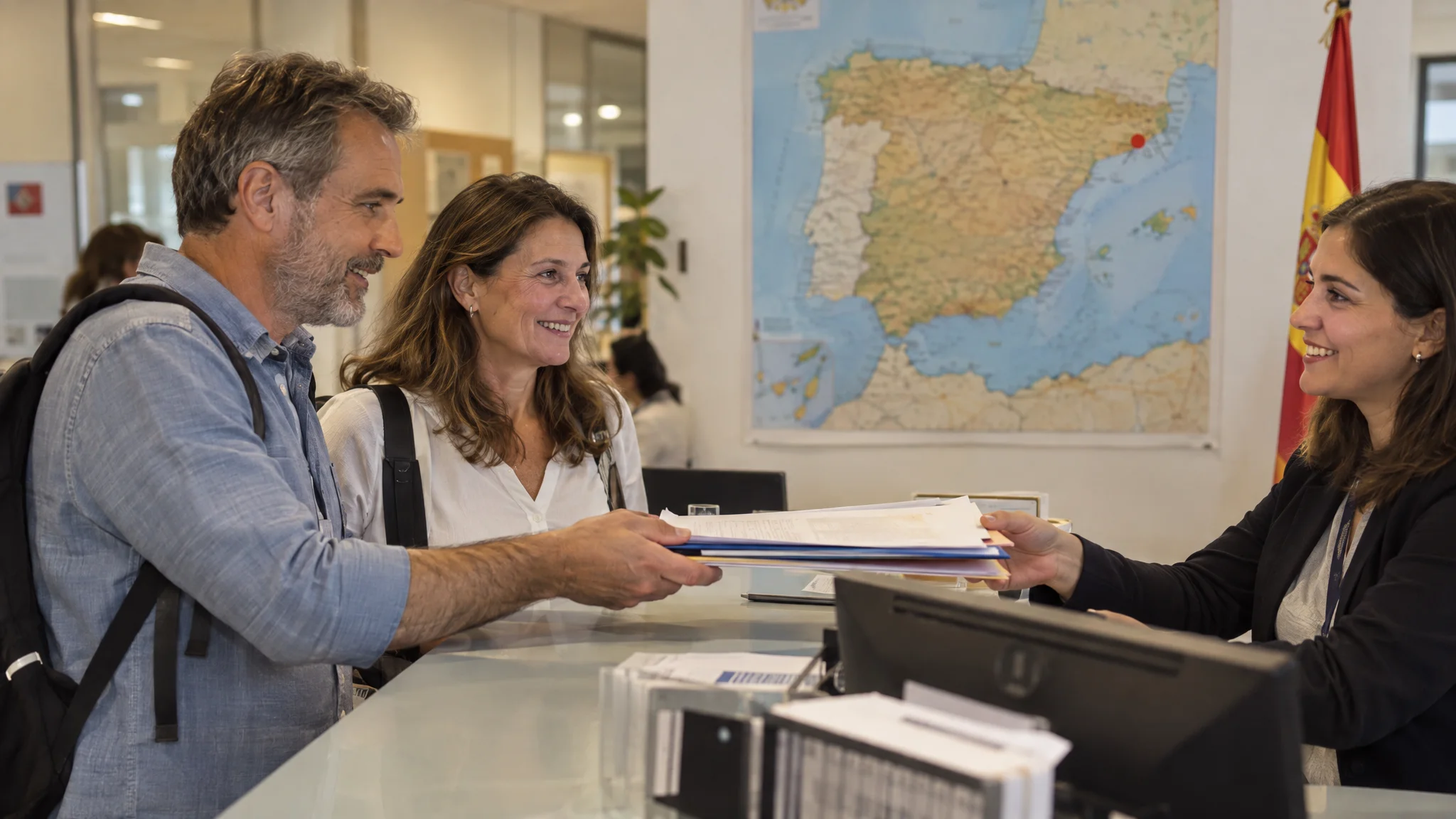
Most people do not stall on moving to Spain because it is hard. They stall because the internet makes it sound like a legal maze, every forum thread contradicts the last one, and nobody lays the steps out in the order you actually do them. So here is that order, in plain language.
We are not lawyers, we run a coliving house. A fourteenth century masia in the Montseny, one hour from Barcelona by train, ten rooms and twelve to fifteen amazing humans. We help remote workers land here every month, which means we have watched the move go smoothly and watched it go sideways, and the difference is almost always sequence. This is how to move to Spain without doing step four before step two. Treat it as a map, not as legal advice, and confirm the current requirements before you file anything, because the thresholds and the small print do change.
Step one, choose your route in
Your whole move hangs on one fork. Are you an EU citizen or not.
If you hold an EU passport, there is almost no process. You can move, work and stay, and the admin is mostly registration once you arrive. If you are from outside the EU, you need a visa, and for remote workers the common answer since 2023 is the Digital Nomad Visa, which gives a residence route of several years, a friendlier tax rate than the standard one, and the option to bring your family. There are other routes, a work visa if a Spanish company hires you, a non lucrative visa if you can support yourself without working locally, and student routes, but for most people reading this the nomad visa is the one. We cover the money and tax detail, especially for Americans, in our guide to the Spain digital nomad visa for Americans. Decide your route first, because everything else depends on it.
Step two, get your documents ready before you fly
The single biggest time saver is preparing the paperwork while you are still at home, because some of it is far harder to get once you have left.
Depending on your route you will typically need a passport with plenty of validity, proof of stable income above a set monthly threshold, a clean criminal record certificate that is legalised and translated, proof of private health insurance that covers Spain, and evidence of your remote work or contracts. The criminal record certificate and any official translations are the items people forget, and they are painful to arrange from abroad. Get them done before you go. Over prepare, make copies of everything, and keep a digital folder you can reach from anywhere.
Step three, get your NIE and register your address
Once your visa is underway or you have arrived, two early jobs unlock almost everything else.
The NIE is your foreigner identity number, and you will be asked for it constantly, to sign a lease, open a bank account, get a phone contract, set up almost anything. Apply for it as early as your route allows. The second job is empadronamiento, registering your home address at the local town hall. It sounds trivial and it is the key that turns a lot of other locks, from healthcare registration to residency steps later on. Both involve a queue and an appointment, both occasionally send you away for one more document, and both are completely routine once done.
Step four, sort healthcare and a bank account
With an NIE in hand, the practical machinery of living here falls into place.
Health cover usually comes first because your visa likely required proof of it anyway. Private insurance runs about 50 to 150 euro a month for an individual and buys short waits and English speaking doctors while you settle. In time, depending on your status and contributions, you may join the public system, which is excellent and close to free at the point of use. A Spanish bank account is the other early job, needed for rent, bills and direct debits. Newer online friendly banks have made this far less painful than it used to be, though a traditional branch account is still worth having for anything official.
Step five, decide where to actually live
This is the step people rush and regret, and it matters more than any form.
The reflex is to sign a year long lease in Barcelona, Valencia or Madrid because those are the names you know. Before you do, understand the trap. City rent absorbs the price advantage Spain was selling, a one bedroom in central Barcelona runs 1,250 to 1,550 euro, and a first lease in a place you do not yet understand locks you into a neighbourhood you chose blind. The calmer move is a soft landing. Spend your first stretch somewhere flexible and social while you learn the country, then commit to a lease once you actually know where you want to be.
A coliving is built exactly for this. One all in price folds rent, utilities, fast internet, a workspace and often shared meals together, from around 750 to 1,400 euro, so you arrive to a room that works and a community already there instead of an empty flat and a to do list. It also buys you local knowledge for free, because a dozen people who already did the paperwork are sitting at the same dinner table. We wrote the fuller case for basing an hour out in coliving near Barcelona, and the honest budget comparison in the cost of living in Spain.
Step six, settle in and give it time
The forms are the start of the move, not the move itself. The rest is slower and more human.
Get some functional Spanish going early, even badly, because it turns you from a visitor into a resident faster than anything else. Say yes to the shared dinners and the Saturday hikes, because the friendships are the difference between a rich life here and a lonely one. And give the whole thing a real runway. A month gets you the rhythm, two months gets you the community, three months is when the trip quietly becomes a life. Most people who move to Spain and stay will tell you the paperwork faded from memory within a season, and what remained was the light, the food and the people.
A realistic timeline
From decision to landing, plan for two to four months, most of it spent gathering documents and waiting on your visa. From landing to feeling settled, plan for another two to three months of NIE, town hall, healthcare, bank and finding your feet. Nobody does this in a fortnight, and the people who try are the ones who burn out on it. Treat moving to Spain as a slow, forgiving process and it works. Treat it as a sprint and it fights you.
Frequently asked questions
How do I move to Spain as a remote worker in 2026?
For non EU remote workers the usual route is the Digital Nomad Visa introduced in 2023, which grants residence, a friendlier tax rate and the option to include family. You prepare your documents at home, apply for the visa, then on arrival get an NIE, register at the town hall, arrange healthcare and open a bank account. Confirm the current income threshold and requirements before applying.
What paperwork do I need to move to Spain?
Typically a valid passport, proof of stable income, a legalised and translated criminal record certificate, private health insurance covering Spain, and evidence of your remote work. After arrival you add an NIE number and empadronamiento, your town hall address registration. Exact documents depend on your visa route.
How long does it take to move to Spain?
Plan two to four months from decision to landing, mostly document gathering and visa processing, then another two to three months to feel settled once you arrive. It is a slow process rather than a hard one, so start early and do not rush the housing decision.
Do I need a job in Spain to move there?
Not necessarily. Remote workers on the nomad visa keep their existing foreign income, and the non lucrative visa is for people who can support themselves without working locally. A Spanish job is only required for the standard work visa route.
Where should I live when I first move to Spain?
Somewhere flexible while you learn the country, rather than a blind year long city lease. A coliving that bundles rent, utilities, internet, a workspace and community into one price makes a soft landing easy and buys you local knowledge from people who already did the move.
Further reading
Work through these in order and the move gets simple.
- Moving to Spain, the honest overview and the two decisions that matter most.
- Spain digital nomad visa for Americans, the visa and the numbers in plain English.
- Cost of living in Spain, what to budget once you arrive.
- Best places to live in Spain, choosing your region before you sign anything.
- Coliving in Spain, a practical guide to your first month.